The Hidden Gem: Why Savvy Investors Are Quietly Snapping Up Sabah Real Estate Before Everyone Else Does
Image by: Tirachard
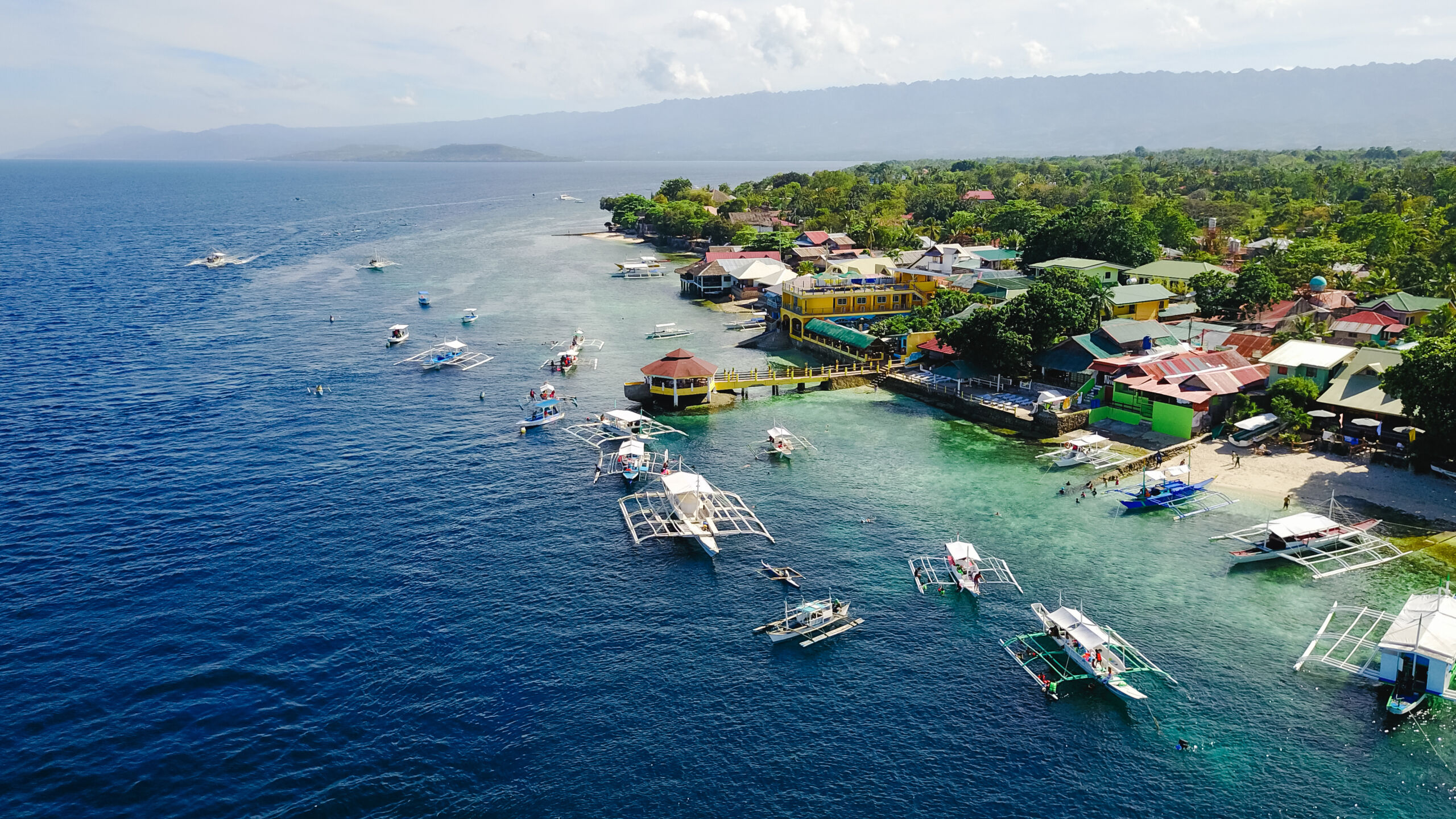
There is a particular type of investor that most people never read about in the financial press. They are not the ones making splashy announcements at property expos or flooding social media with their portfolio wins. They buy quietly, they buy early, and by the time everyone else figures out what they have done, they have already made a handsome return.
Right now, many of these investors are buying in Sabah. If you have been monitoring whisper networks in the Malaysian property investment community the private WhatsApp groups, the closed-door investment club discussions, the conversations at the back of property seminars a name keeps coming up. Sabah. And not just as a place to retire or a destination to visit. As a place to put money.
The Classic Signs of a Market on the Move
Experienced property investors learn to recognise certain signals that precede a
market’s breakout phase. Infrastructure announcements. Migration flows. Tourism
growth. Government economic corridors. A widening gap between intrinsic value and market price.
Sabah is currently showing almost all of these signals simultaneously.
The Pan Borneo Highway is reducing travel times and opening up previously inaccessible areas. Domestic migration from Peninsular Malaysia particularly retirees, remote workers, and young families seeking a better quality of life at a lower cost is increasing. Sabah’s tourism numbers have been recovering strongly, creating demand for short-term rental accommodation. And crucially, property prices in Sabah remain a fraction of equivalent assets in Kuala Lumpur, Penang, or Johor.
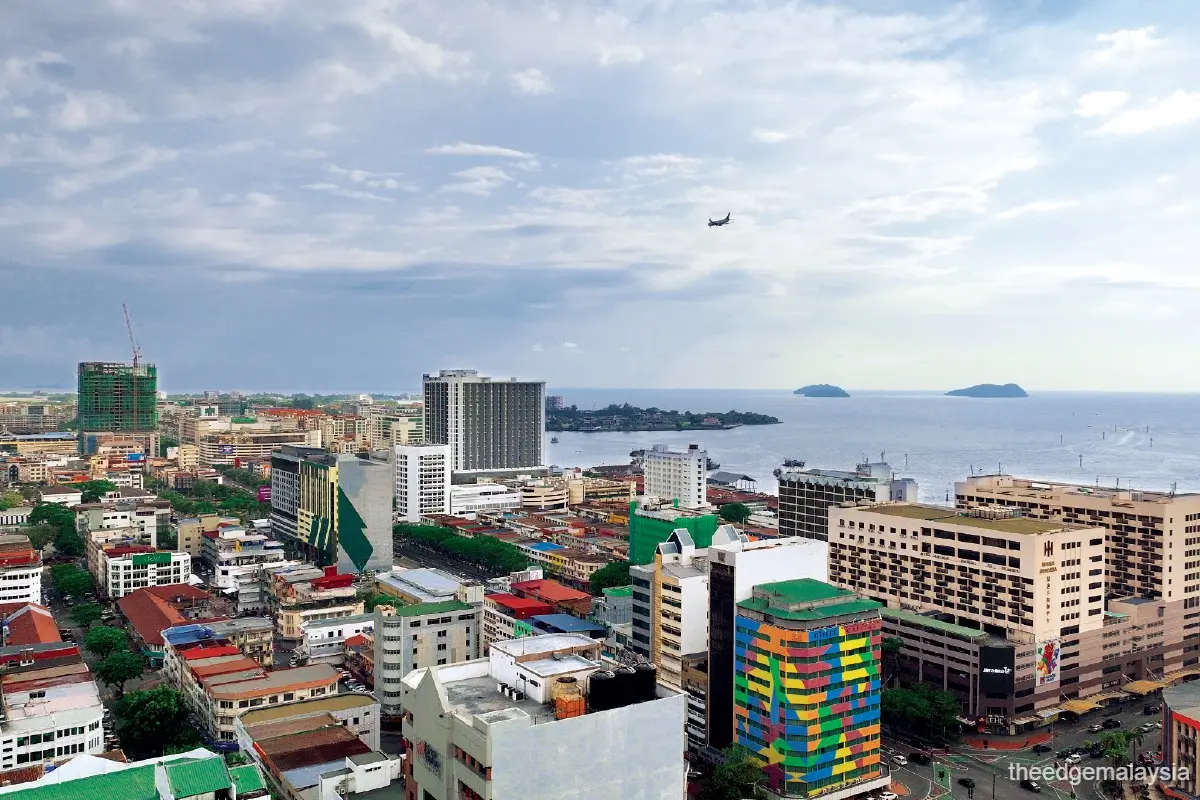
Image from: The Edge Malaysia
The Affordability Gap Is Real and It Is Closing
Here is the number that stops investors in their tracks when they first hear it. A welllocated condominium in Kota Kinabalu the state capital of Sabah, a city of nearly
half a million people with an international airport, a port, a university, and a full suite of urban amenities can be purchased for somewhere between RM 350,000 and RM
550,000.
The same money in Kuala Lumpur buys you a studio apartment in a secondary
location with questionable management and doubtful rental prospects.
That affordability gap creates a compelling entry point. And crucially, the gap is
closing. As more buyers and investors discover Sabah, prices will follow. Those who
act during the current window are positioning themselves for a re-rating that could
deliver meaningful capital appreciation over the next five to ten years.
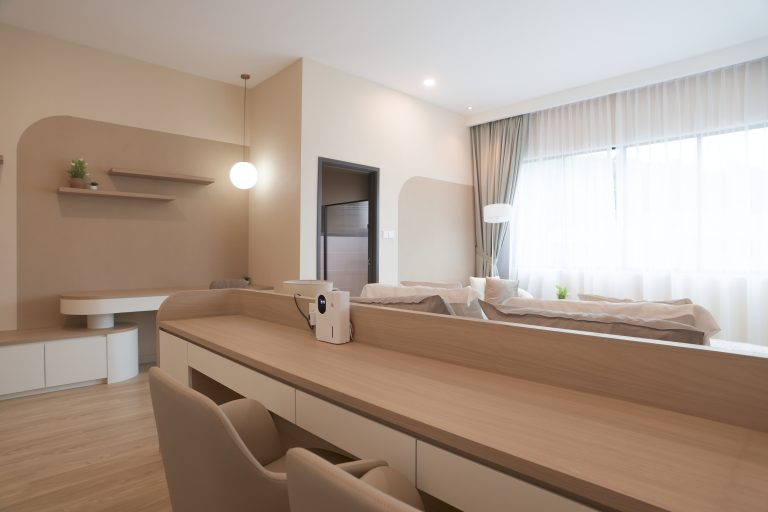
Image from: Prima Land
The Remote Work Wildcard
One factor that is only beginning to be priced into Sabah’s property market is the
remote work revolution. Malaysia’s digital nomad visa programme, combined with
Sabah’s combination of natural beauty, affordable cost of living, reliable fibre internet in urban areas, and English-speaking population, makes it an increasingly attractive base for location-independent workers.
Remote workers tend to seek medium-term rentals of two to six months longer than typical tourists, shorter than conventional tenants. This creates a new rental demand segment that Sabah is well-positioned to capture, and one that is not yet fully reflected in property valuations.
What the Smart Money Is Actually Buying
So what exactly are the savvy investors purchasing? Conversations with those active
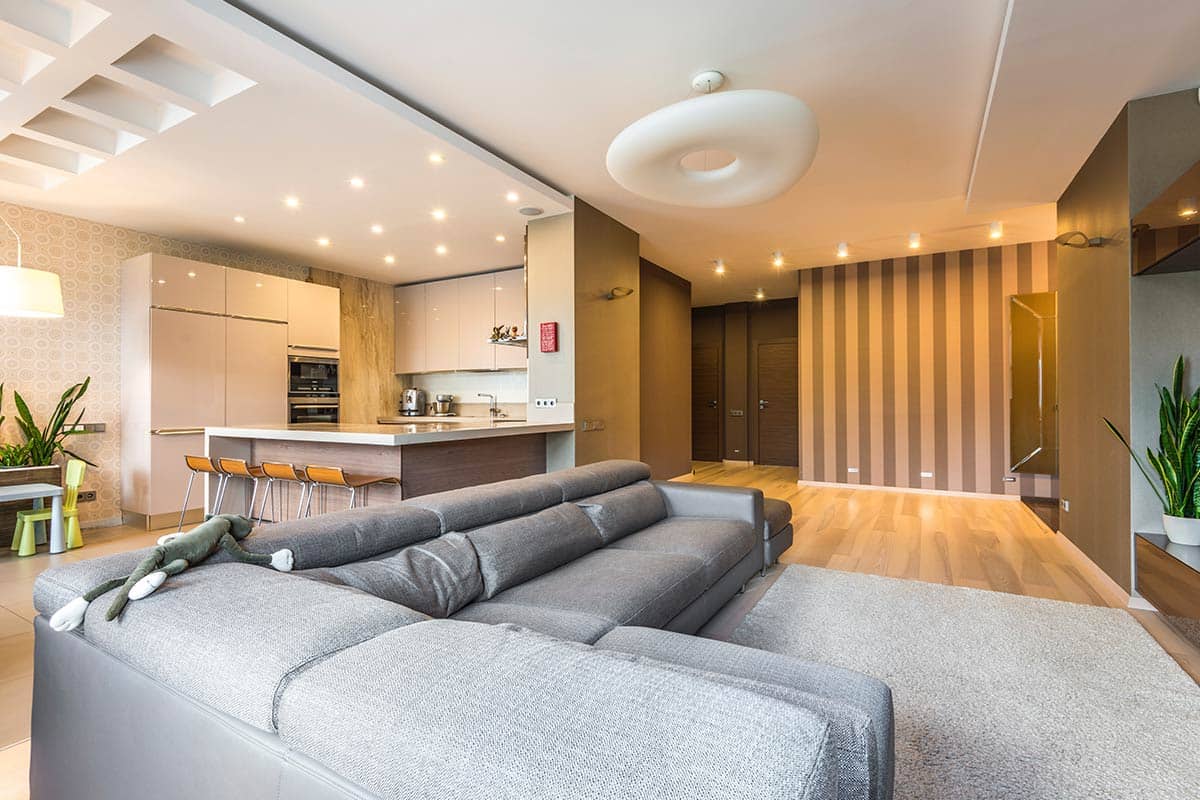
in the market point to a few recurring investment theses. City-centre condominiums with sea views or easy waterfront access are the most sought-after product for the short-term rental play.
Units in well-managed buildings with quality amenities pool, gym, 24-hour security are commanding the strongest rental rates and capital values.
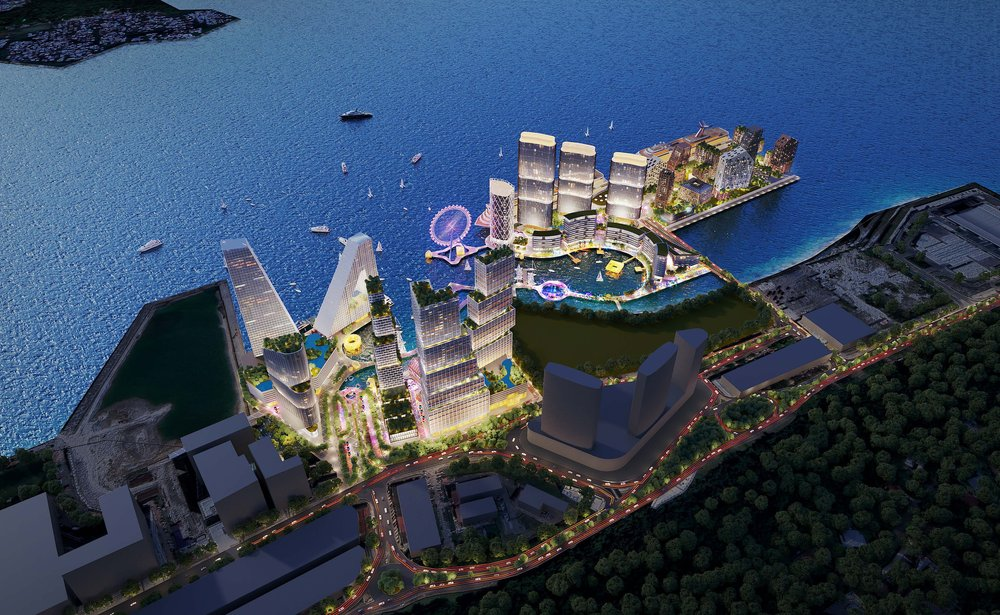
Image from: SuriaGroup
The Window Is Still Open, But Not Forever
Every market has a window. Kuala Lumpur in the 1990s. Penang Hill in the early
2000s. Iskandar Malaysia before the Singapore spillover demand arrived. Those who
acted early built wealth. Those who waited, paid more. Sabah’s window is open right now. The infrastructure is being built.
The migration is beginning. The tourism is growing. But prices have not yet fully caught up. The hidden gem is only hidden until it is not. And when that moment arrives, it will be the investors who were already there who benefit the most.