What No One Tells You About Buying Property in Sabah: Land Codes, Native Titles, and Legal Traps to Avoid
Image by: Kota Kinabalu Travel Agency

Buying property in Sabah is not quite like buying property anywhere else in Malaysia.
The state has its own land laws, its own categories of land title, and its own set of
restrictions that can catch uninformed buyers both Malaysian and foreign severely off guard.
This article does not replace professional legal advice. If you are buying property in
Sabah, you must engage a qualified Sabah-based solicitor. What this article does is
give you the essential background knowledge so that when you walk into that lawyer’s office, you understand what questions to ask and why they matter.
Understanding the Sabah Land Ordinance
Sabah’s primary land legislation is the Sabah Land Ordinance (Cap. 68), which
governs the ownership, dealings, and registration of land in the state. It operates
differently from the National Land Code 1965 that applies throughout Peninsular
Malaysia and Labuan.
Under the Sabah Land Ordinance, land is categorised by its alienation status and
purpose. The key categories that property buyers encounter are Country Lease (CL),
Town Lease (TL), and State Land. Each has different characteristics, renewal
conditions, and implications for what the holder can and cannot do with the land.
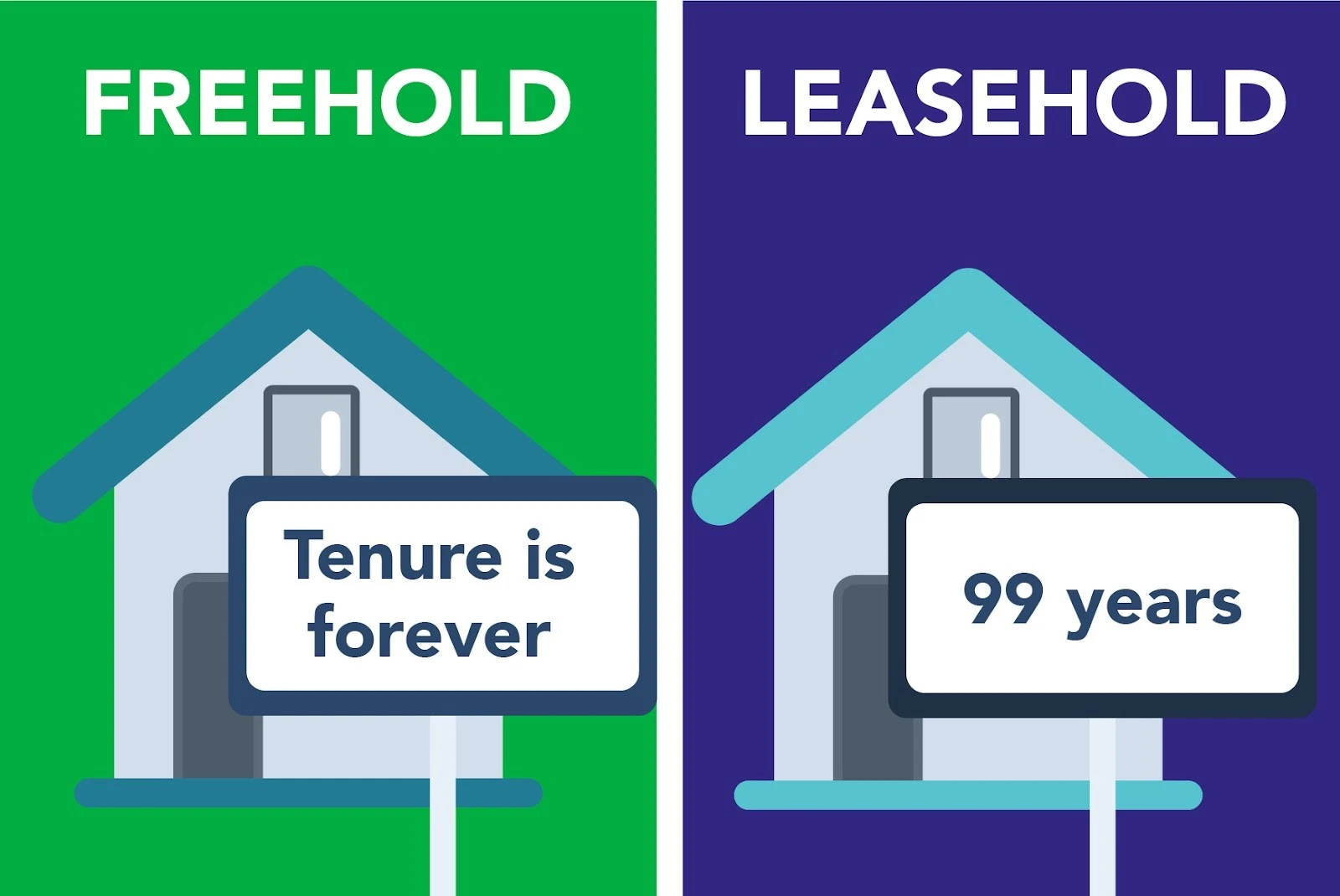
Image from: MET Property
Freehold vs Leasehold: What Buyers Need to Know
One of the most frequently misunderstood aspects of buying property in Sabah even among experienced Malaysian property buyers from the Peninsula is how
freehold and leasehold titles work in this state. The terminology may sound familiar, but the mechanics in Sabah carry important distinctions that deserve a dedicated explanation
What Is Freehold in Sabah?
A freehold title means the owner holds the land in perpetuity — there is no expiry date on the ownership. In Peninsular Malaysia, freehold titles are relatively common in urban areas and are generally considered the gold standard of property ownership. In Sabah, however, true freehold titles are comparatively rare, particularly for residential properties.
When they do exist, they command a meaningful premium over equivalent
leasehold properties, and they tend to transact more easily on the secondary market.
For buyers coming from Peninsular Malaysia, the relative scarcity of freehold in Sabah can be surprising. It is important not to assume that a property described loosely as ‘freehold’ in a developer’s marketing materials actually carries a perpetual title always verify the title document directly or through your solicitor.
What Is Leasehold in Sabah?
The majority of alienated land in Sabah is held under leasehold tenure most
commonly in the form of a Country Lease or Town Lease, as discussed earlier in this
article. These leases are typically issued for a term of 99 years, though shorter terms of 60 years or even less do exist, particularly for older titles.
The critical number to check when purchasing a leasehold property is the remaining
lease term. A 99-year lease granted in 1970, for example, has only around 43 years left to run as of 2026. This matters enormously for two reasons. First, banks in Malaysia typically become increasingly reluctant to finance leasehold properties as the remaining lease term drops below 60 years, and many lenders will not offer standard mortgage terms on properties with less than 30 years remaining. Second, the resale value and marketability of a leasehold property diminish as the lease approaches expiry.
Image from: The Edge Malaysia
Foreign Ownership Pitfalls
Foreign buyers face additional layers of complexity. Beyond the minimum purchase
price threshold and the restrictions on purchasing Native Title or agricultural land
discussed above, foreign buyers must be alert to several specific issues.
First, ensure that the development you are purchasing from has obtained approval for foreign ownership from the relevant Sabah state authorities. Not all developments
have this approval, and purchasing in a development that does not can create
problems with title registration.
Second, be aware that financing a Sabah property purchase from a foreign bank rather than a Malaysian bank may create complications. Malaysian banks with branches in Sabah are generally better positioned to advise on local lending
requirements for non-citizen borrowers.
Third, understand the remittance implications. Repatriating sale proceeds when you
eventually sell will require compliance with Bank Negara Malaysia’s foreign exchange
administration rules. Your solicitor should walk you through these requirements at the
time of purchase so there are no surprises when you exit.
Common Legal Traps to Avoid
This is the most fundamental error, and it happens more often than you would think. Always instruct your solicitor to conduct a title search before you commit any money. The title search will reveal the category of title, any encumbrances, any caveats, and any restrictions on dealings. It costs relatively little and can save enormous grief.
Trap 2: Relying on a Non-Sabah Solicitor
Malaysia’s legal profession allows solicitors admitted to the Malaysian Bar to practice across the country. But Sabah property law has enough specific complexity particularly around land titles and native issues that engaging a KL-based lawyer with limited Sabah experience is a genuine risk. Engage a solicitor with an established Sabah practice.
Trap 3: Ignoring Outstanding Rates and Quit Rent
In Sabah, as elsewhere in Malaysia, outstanding local authority assessments and state quit rent are charges on the land that pass to the purchaser upon transfer. Due
diligence should always include confirming that the current owner has no outstanding amounts with the local authority and the Lands and Survey Department.
Image from: SuriaGroup
Final Words: Due Diligence Is Not Optional
Sabah’s property market offers genuine opportunities for Malaysian and foreign
buyers alike. But those opportunities come with a specific set of legal considerations
that demand respect and careful attention.
The buyers who get into trouble in Sabah are not, in the main, victims of fraud or bad
luck. They are victims of insufficient due diligence shortcuts taken, questions not
asked, assumptions made that turned out to be wrong.
The good news is that Sabah has a solid cadre of experienced property solicitors who navigate these issues every day. The process is manageable and the market is
rewarding for those who approach it properly.
Do your research. Engage the right professionals. Understand what you are buying.
And Sabah’s property market will reward you generously.