The Sabah Property Market in 2026: Prices, Trends, and Where Smart Money Is Going
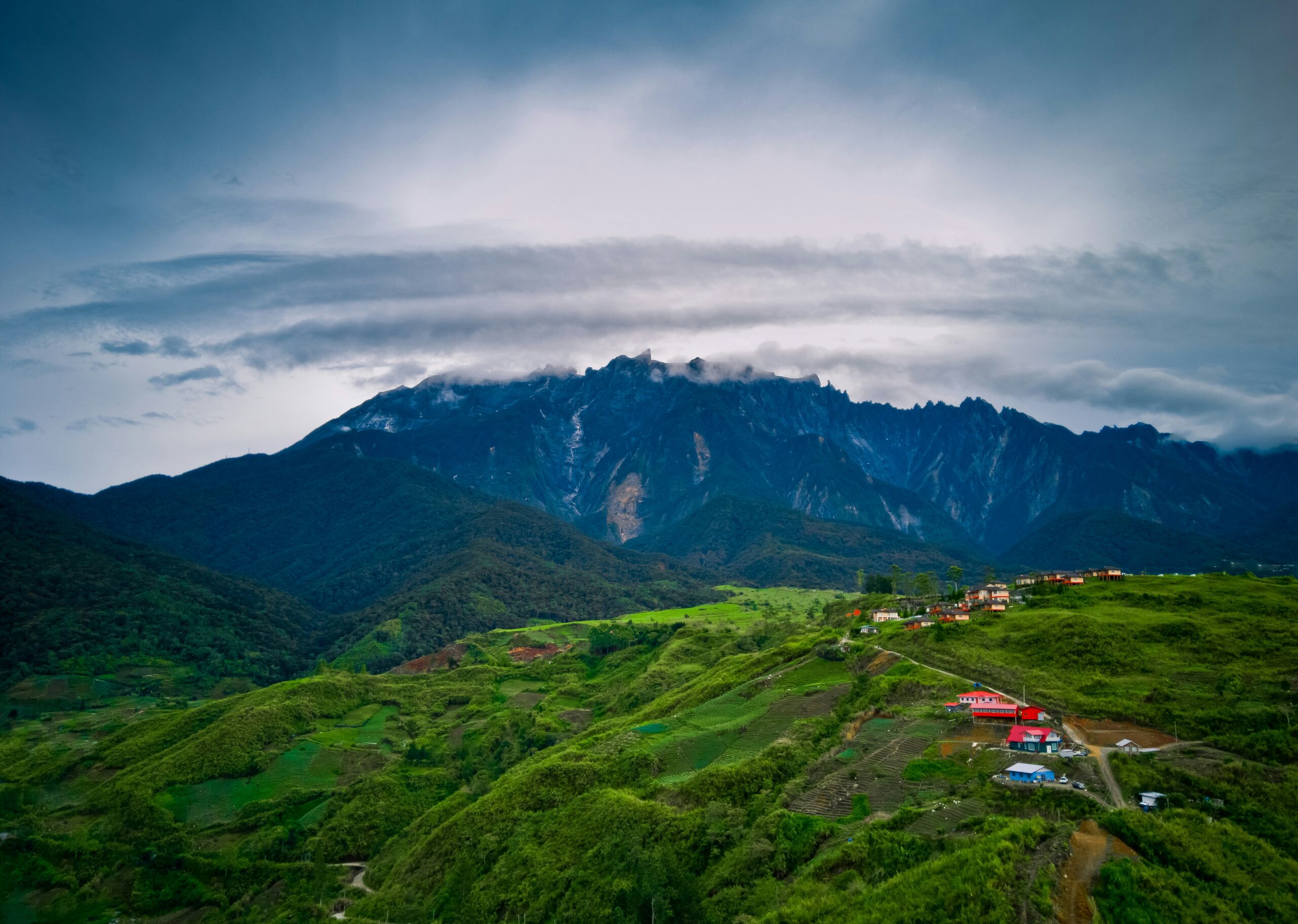
If you have been watching Malaysia’s property market over the past few years, one
thing has become increasingly clear Sabah is no longer flying under the radar. The land below the wind, as it is affectionately known, is quietly emerging as one of Southeast Asia’s most compelling real estate destinations.
The Big Picture: Sabah’s Property Market in Context
Sabah’s property market has historically been more subdued compared to Kuala
Lumpur, Penang, and Johor Bahru. For decades, it was considered a secondary
market affordable, but lacking the liquidity and capital appreciation that drew institutional and retail investors to Peninsular Malaysia.
That narrative is changing. A combination of federal infrastructure investment, a
recovering tourism sector post-pandemic, increasing migration from Peninsular Malaysia, and growing foreign interest from Singapore, Hong Kong, and China has begun shifting the fundamentals of Sabah real estate.
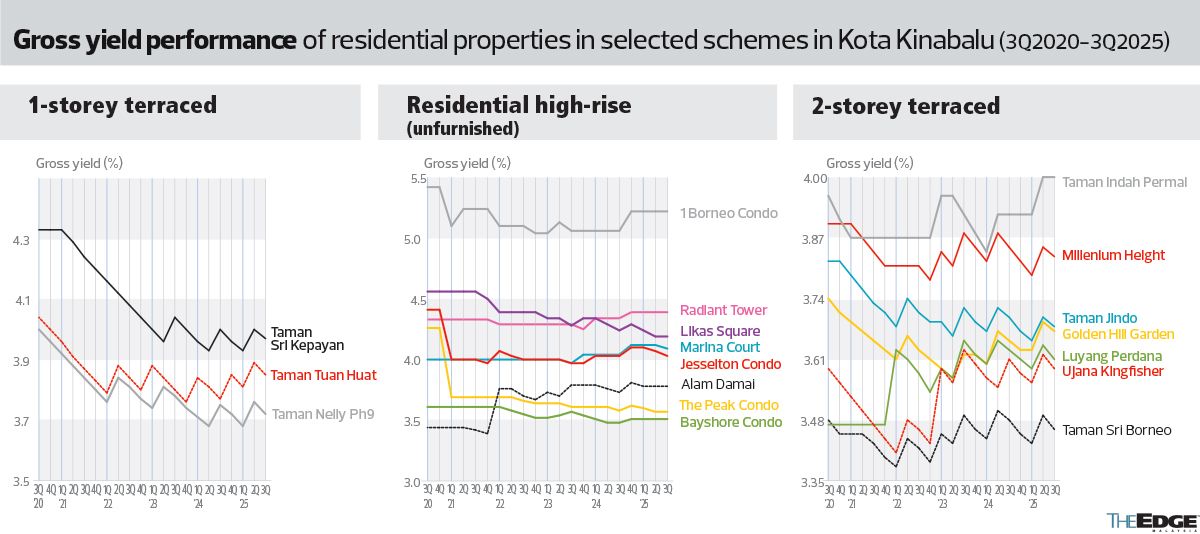
Image from: The Edge Malaysia
Kota Kinabalu: The Anchor Market
Kota Kinabalu remains the beating heart of Sabah’s property market. As the state
capital and primary commercial hub, KK as locals call it commands the highest
prices and the most active secondary market in the state.
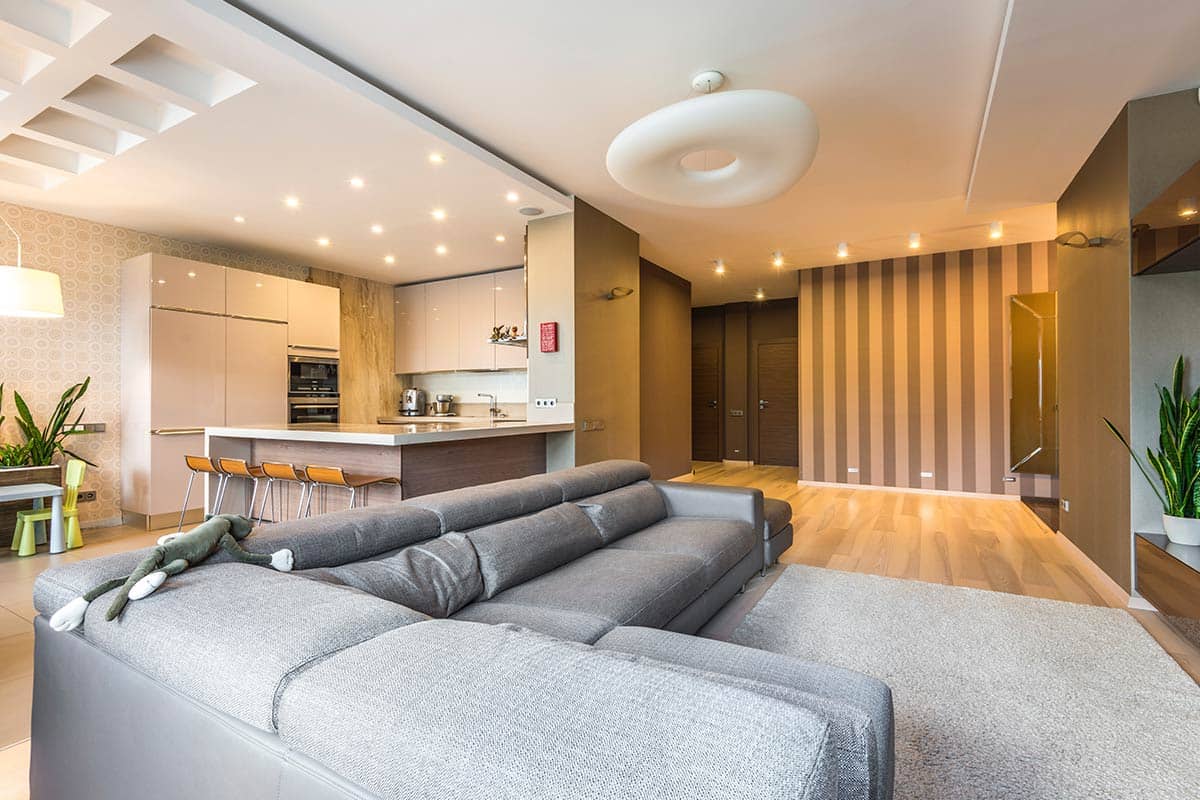
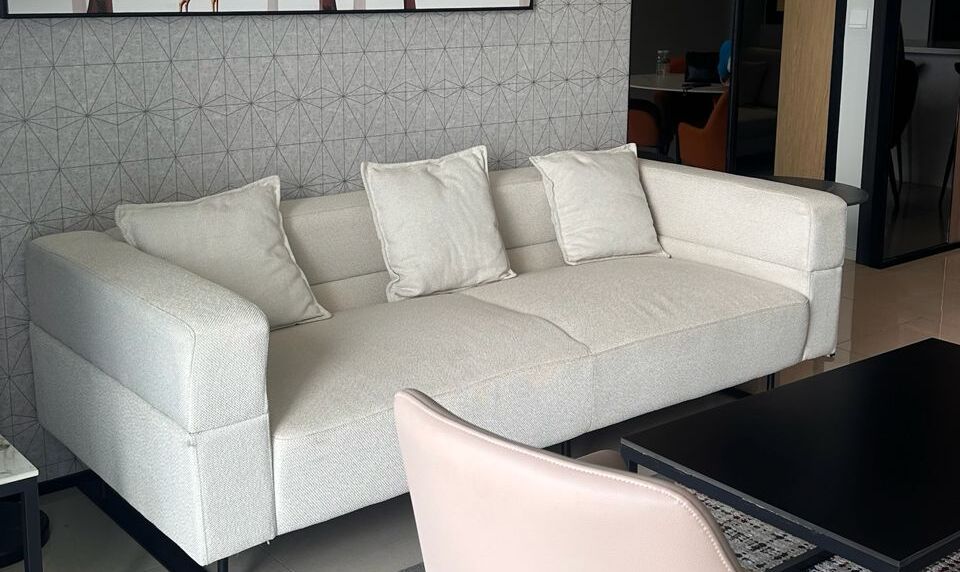
In 2026, the median price for a residential property in KK sits at approximately RM 450,000 to RM 550,000, depending on location and property type. High-rise condominiums in prime areas such as Kota Kinabalu City Centre, Damai, and Likas
command a premium, with some new launches priced between RM 600 to RM 900 per square foot. For context, equivalent properties in Mont Kiara would cost three to four times as much.
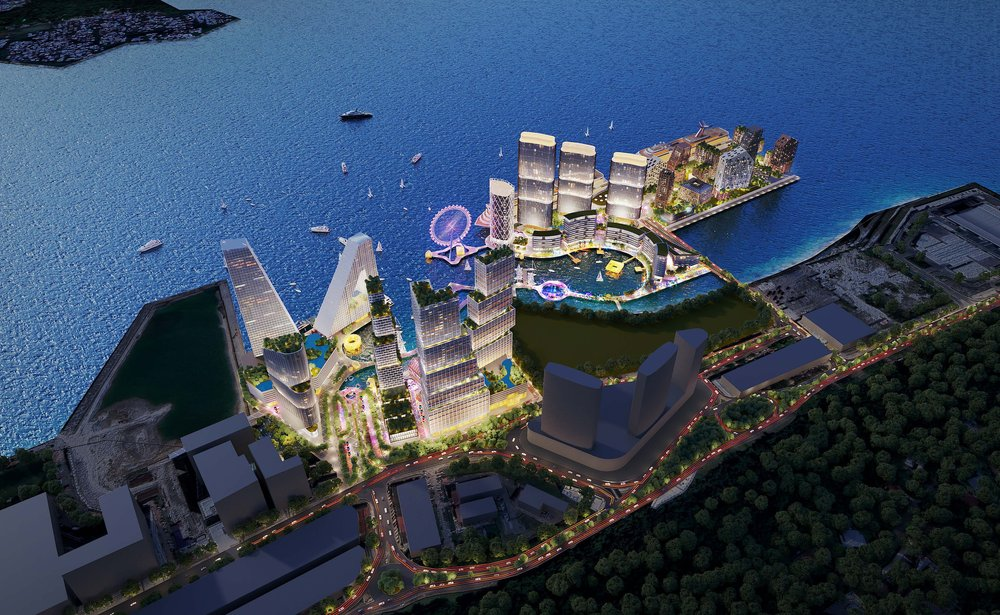
Image from: SuriaGroup
Infrastructure: The Catalyst That Changes Everything
No discussion of Sabah’s property market is complete without addressing infrastructure. The Pan Borneo Highway, Malaysia’s most ambitious road project, is
transforming connectivity across Sabah and Sarawak. Sections linking KK to Beaufort, and eventually to Sandakan and Tawau, are progressively opening up previously landlocked areas.
The Sabah government has also been pushing forward with the Kota Kinabalu waterfront development, which aims to transform the city’s seafront into a mixed-use commercial and tourism hub. Similar waterfront regeneration projects in other parts of the world Nha Trang, Da Nang, Penang have historically been powerful catalysts for nearby property values.
The proposed revival of the North Borneo Railway and various discussions around
airport expansion at Kota Kinabalu International Airport add further long-term tailwinds.
Conclusion:
Sabah’s infrastructure upgrades highways, waterfront, rail, and airport are set to boost connectivity, drive demand, and push property values higher.
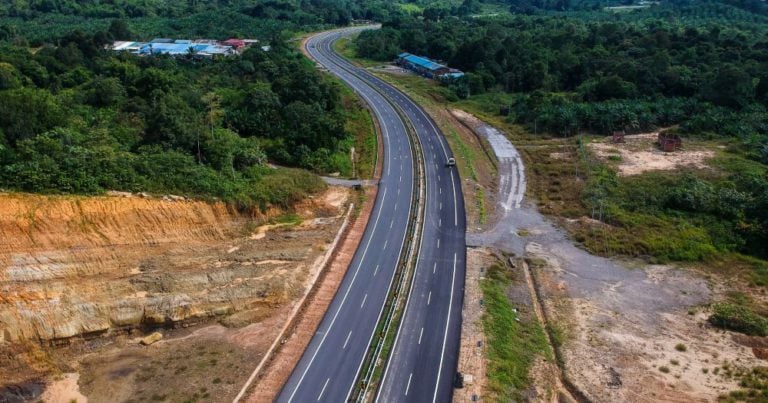
Image from: Sabah Media
Where Smart Money Is Going in 2026
So where are the experienced investors positioning themselves? Based on market activity, a few clear themes are emerging.
First, mixed-use developments near KK’s commercial corridors are seeing strong institutional interest. The combination of retail, office, and serviced apartment components offers multiple revenue streams and hedges against the cyclicality of pure residential plays.
Second, short-term rental plays targeting Sabah’s booming domestic and regional
tourism are becoming increasingly popular. Sabah received a record number of
domestic tourists in 2025, and the lack of quality serviced accommodation outside the five-star hotel bracket is creating a real gap in the market that savvy property investors are moving to fill.
Third, industrial and logistics properties in peri-urban areas are quietly drawing interest from players who understand the e-commerce supply chain dynamic unfolding across East Malaysia.
Final Thoughts
Sabah’s property market in 2026 is not without its risks. Oversupply in certain KK condominium segments, lingering questions around the pace of infrastructure delivery, and the state’s relative illiquidity compared to Peninsular markets are all factors that demand due diligence.
But for investors with patience, a medium-to-long term horizon, and the willingness to do their homework, Sabah offers something increasingly rare in Malaysian real estate genuine value, genuine upside, and a story that is only just beginning to be told.